The Ultimate Guide to SEO in 2026: Strategies That Actually Work
Table of Contents
-
Introduction
-
What Is SEO and Why Does It Matter in 2026?
-
The Evolution of Search: What's Changed
-
On-Page SEO: The Foundation of Rankings
-
Off-Page SEO: Building Authority That Lasts
-
Technical SEO: The Engine Behind the Scenes
-
Local SEO: Winning in Your Neighborhood
-
Common SEO Mistakes to Avoid
-
Why Partner With a Professional SEO Agency
-
Conclusion
Introduction
Search engine optimization (SEO) remains the most cost-effective way to drive targeted traffic, generate leads, and grow your business online. Yet with over 4.6 billion search results competing for attention on Google, simply publishing content isn't enough anymore.
In 2026, SEO demands a strategic, multi-layered approach that combines technical excellence, high-quality content, and genuine authority building. Whether you're a startup founder, a small business owner, or a marketing professional, this guide will walk you through the SEO strategies that actually deliver results in today's competitive digital landscape.
What Is SEO and Why Does It Matter in 2026?
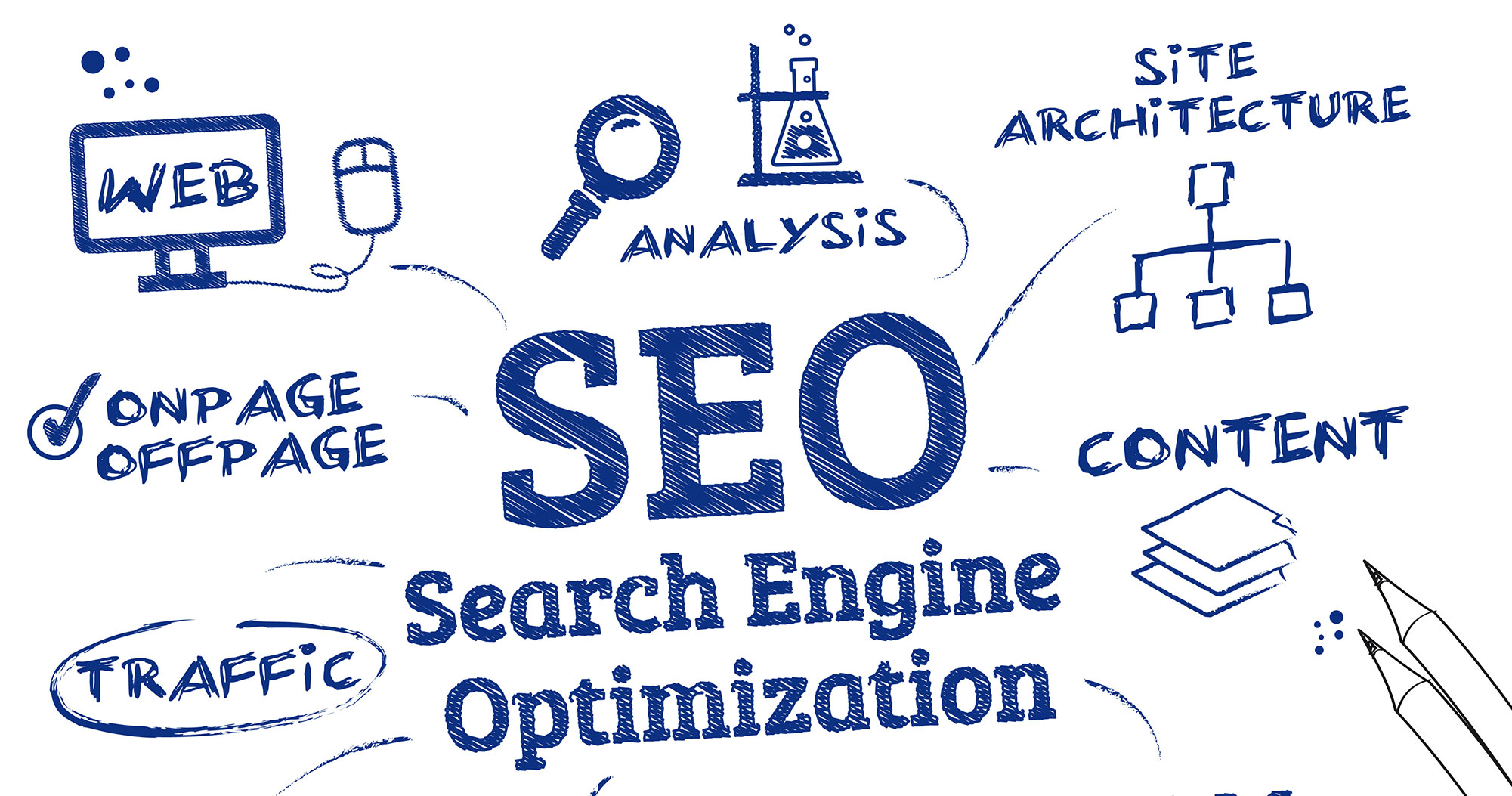
Search engine optimization is the practice of optimizing your website to rank higher in search engine results pages (SERPs). When someone searches for a product, service, or information related to your business, SEO helps ensure they find you—not your competitors.
Why SEO matters now more than ever:
-
Cost-effective lead generation – Unlike paid ads, organic traffic doesn't stop when your budget runs out.
-
Builds trust and credibility – Users trust organic results more than paid advertisements.
-
Sustainable growth – SEO compounds over time; the work you do today pays dividends for months and years.
-
High-intent traffic – People searching for your keywords are actively looking for what you offer.
The Evolution of Search: What's Changed
Search engines have evolved far beyond simple keyword matching. In 2026, Google's algorithms prioritize:
1. User Intent Over Keywords
Search engines now understand why someone is searching, not just what they typed. This means your content must answer questions comprehensively, not just sprinkle in keywords.
2. Experience, Expertise, Authority, and Trust (E-E-A-T)
Google evaluates your website's credibility. Demonstrate expertise in your field, build authority through backlinks, and maintain a trustworthy user experience.
3. AI and Generative Search
AI-powered search results are reshaping how users find information. To stay visible, your content must be structured, authoritative, and optimized for featured snippets and AI-generated summaries.
4. Mobile-First Indexing
Google predominantly uses the mobile version of your site for indexing and ranking. A mobile-friendly experience is no longer optional—it's essential.
On-Page SEO: The Foundation of Rankings
On-page SEO involves optimizing individual pages to rank higher and earn more relevant traffic. Here's what matters most in 2026:
1. High-Quality, Comprehensive Content
Content depth matters. Thin, shallow pages no longer cut it. Your content should:
-
Answer user questions completely – Address related queries and provide actionable solutions.
-
Use clear, logical structure – Organize with headers (H1, H2, H3) for readability and SEO.
-
Include multimedia – Images, videos, and infographics improve engagement and time on page.
-
Target semantic keywords – Go beyond primary keywords to include related terms and phrases.
2. Title Tags and Meta Descriptions
Your title tag is the first thing users see in search results. Make it:
-
Compelling and click-worthy – Include your primary keyword naturally.
-
Under 60 characters – Avoid truncation in search results.
-
Descriptive – Clearly communicate what the page is about.
Meta descriptions (the snippet below your title) should be 155–160 characters and include a clear call to action.
3. Header Structure (H1, H2, H3)
Proper header hierarchy helps search engines understand your content's structure:
-
H1 – Your main topic (one per page)
-
H2 – Major sections
-
H3 – Subsections within H2s
4. Image Optimization
-
Use descriptive, keyword-rich file names
-
Add alt text for accessibility and SEO
-
Compress images for faster load times
5. Internal Linking
Link to other relevant pages on your site. This helps search engines crawl your site and keeps users engaged longer.
Off-Page SEO: Building Authority That Lasts
Off-page SEO refers to actions taken outside your website that impact your rankings. The most important factor here is link building.
White-Hat Link Building
Not all backlinks are created equal. Quality matters far more than quantity.
Effective link-building strategies:
-
Guest posting – Write valuable content for authoritative industry websites.
-
Broken link building – Find broken links on other sites and suggest your content as a replacement.
-
Digital PR – Create newsworthy content that naturally attracts links.
-
Resource page links – Get listed on curated industry resource pages.
What to avoid:
-
Buying links
-
Link farms and private blog networks (PBNs)
-
Excessive reciprocal linking
Social Signals
While social media shares aren't direct ranking factors, they amplify your content's reach, increase brand visibility, and can indirectly boost SEO by driving traffic and earning natural backlinks.
Technical SEO: The Engine Behind the Scenes
Technical SEO ensures search engines can crawl, index, and render your website properly. Even the best content won't rank if search engines can't access it.
1. Site Speed and Core Web Vitals
Page speed is a confirmed ranking factor. Slow websites frustrate users and increase bounce rates. Google's Core Web Vitals measure:
-
Largest Contentful Paint (LCP) – Loading performance (under 2.5 seconds ideal)
-
First Input Delay (FID) – Interactivity (under 100ms ideal)
-
Cumulative Layout Shift (CLS) – Visual stability (under 0.1 ideal)
2. Mobile Optimization
With mobile-first indexing, your mobile experience determines your rankings. Ensure:
-
Responsive design that adapts to all screen sizes
-
Touch-friendly buttons and navigation
-
Readable text without zooming
3. XML Sitemaps and Robots.txt
-
XML sitemap – Helps search engines discover all your important pages.
-
Robots.txt – Tells search engines which pages to crawl and which to ignore.
4. Structured Data (Schema Markup)
Schema markup helps search engines understand your content and can unlock rich snippets—enhanced search results with ratings, prices, images, and more.
5. HTTPS and Security
Google favors secure websites. Ensure your site uses HTTPS encryption to protect user data.
Local SEO: Winning in Your Neighborhood
For businesses serving specific geographic areas, local SEO is non-negotiable.
Key local SEO strategies:
1. Google Business Profile Optimization
-
Complete every section of your profile
-
Add photos, posts, and offers regularly
-
Respond to all reviews (positive and negative)
-
Keep your NAP (Name, Address, Phone) consistent
2. Local Citations
Ensure your business information is consistent across all online directories—Yelp, Yellow Pages, industry-specific directories, and more.
3. Localized Content
Create content that speaks to your local audience:
-
Location-specific landing pages
-
Blog posts about local events or news
-
Customer testimonials from local clients
4. Local Link Building
Earn backlinks from local organizations, chambers of commerce, and local news outlets.
Common SEO Mistakes to Avoid
Even well-intentioned SEO efforts can backfire. Avoid these common pitfalls:
| Mistake | Why It Hurts |
|---|---|
| Keyword stuffing | Overusing keywords makes content unnatural and triggers penalties. |
| Ignoring mobile users | With mobile-first indexing, poor mobile experience kills rankings. |
| Duplicate content | Search engines struggle to choose which version to rank. |
| Neglecting technical SEO | Broken links, slow speed, and crawl errors undermine all other efforts. |
| Buying cheap backlinks | Low-quality links can result in manual penalties. |
| No clear call to action | Traffic without conversions is wasted effort. |
Why Partner With a Professional SEO Agency
SEO is complex, time-consuming, and constantly evolving. While you can implement basic strategies yourself, partnering with a professional agency offers significant advantages:
1. Expertise and Experience
Professional SEOs stay current with algorithm updates, industry trends, and best practices. They know what works and what doesn't—saving you from costly trial and error.
2. Cutting-Edge Tools
Agencies invest in premium SEO tools for keyword research, competitor analysis, rank tracking, and technical audits. These tools provide insights that free tools simply can't match.
3. Time Savings
SEO is a marathon, not a sprint. Outsourcing frees you to focus on running your business while experts handle your online visibility.
4. Data-Driven Strategies
Professional agencies don't guess—they use data to inform every decision, from keyword selection to content creation to link building.
5. Transparent Reporting
A good agency provides clear, regular reports on your rankings, traffic, and conversions—so you always know the ROI of your investment.
6. Scalable Solutions
Whether you're a startup or an established enterprise, professional agencies offer services that scale with your business and budget.
Conclusion
SEO in 2026 is more sophisticated than ever—but also more rewarding. By focusing on high-quality content, technical excellence, authoritative backlinks, and a stellar user experience, you can achieve sustainable growth that paid advertising alone can't match.
Whether you're just starting your SEO journey or looking to take your existing efforts to the next level, the strategies in this guide provide a solid foundation. But SEO is complex, and the landscape changes constantly.
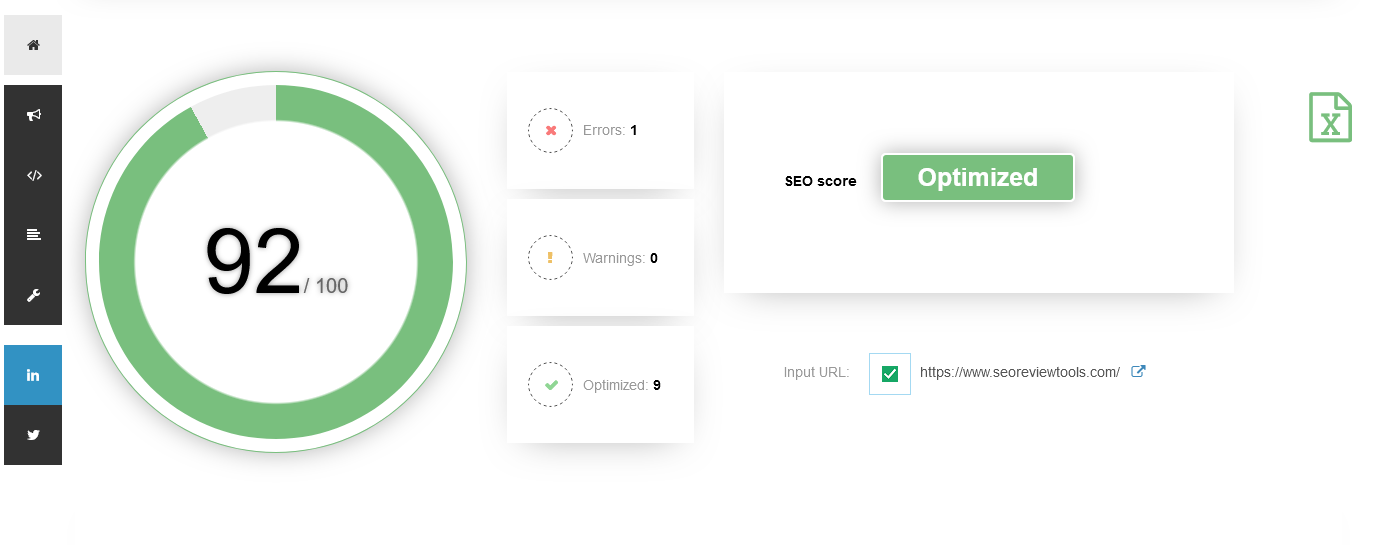
Ready to see where you stand? Get a free instant SEO audit that analyzes your current performance and identifies opportunities for improvement.
[Get Your Free SEO Audit Today] — no obligation, just actionable insights to start growing your business.